Reminisce & Rediscover Manila’s History and Charm
INTRAMUROS | LUNETA PARK | NATIONAL MUSEUMS
The real voyage of discovery consists not in seeking new landscapes, but in having new eyes.
by Marcel Proust
When we get used to things, we somehow take them for granted. We don’t take time to appreciate what we see, or hear on a daily basis. Attending a college inside Manila’s walled city, Intramuros, for more than a year now, my friends and I can say that we haven’t been able to go to different places or visit tourist spots that are deemed worthy to be seen. We will make plans about roaming places here in Manila, but then, plans will be just plans. Lagi nalang drawing yung mga plano namin.
Then Colegio Week happened. We realized that we will have the time to finally go around Intramuros and see what the hype is all about. Being millennials and all, we wanted to take instagram-worthy photos to upload and brag about on our social media sites.
We thought that we could look at the places that have become usual to us with new eyes. The places that have always been there, just waiting to be seen and appreciated.
We planned our itinerary, which consist of the places we wanted to go to but is only at a walking distance. First in our list is the famous walled city in Manila; Intramuros.
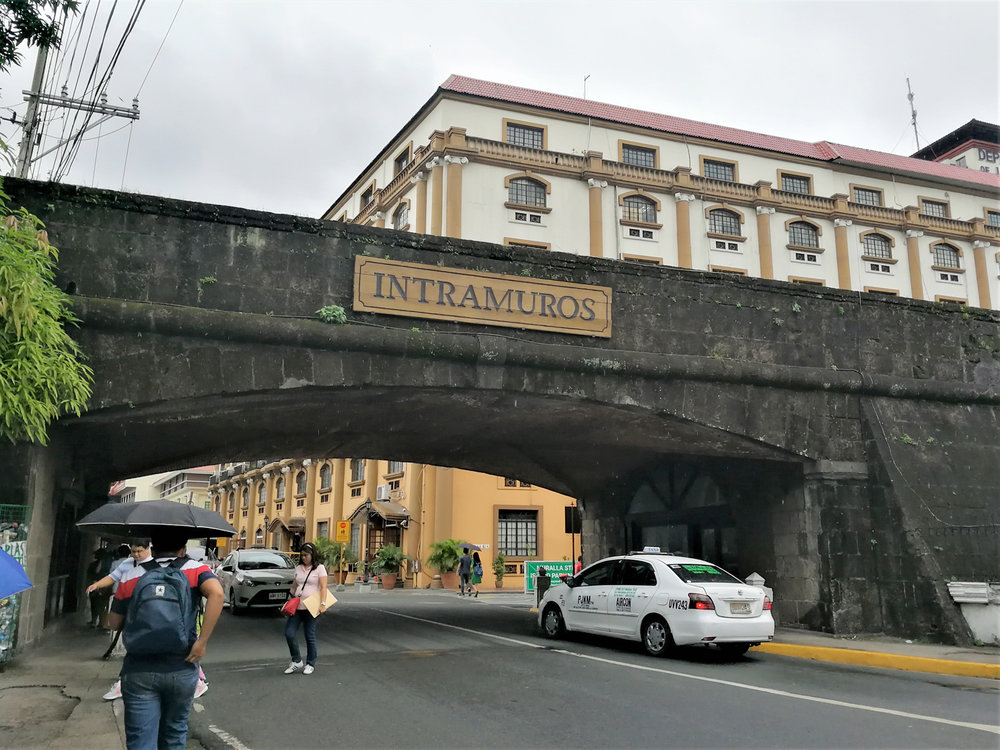
Did you know?
The word “Intramuros” is a Spanish word which literally means “within the walls”.
Intramuros has so much history! It survived many colonizations. But even after all of the destruction it has encountered, it has been revived in 1951 and was declared a historical monument.
A simple walk tour within the walls will not only give you historical information but also a good place to stroll around with your classmates, friends, and loved ones. There are many attractions you can find inside the Intramuros. It is such a place that a lot of people can and does adore. Walking in the streets of Intramuros, I cant help myself from imagining that we are in a historical movie or book. The old structures and the vibe of the place fuels my imagination to run wild.
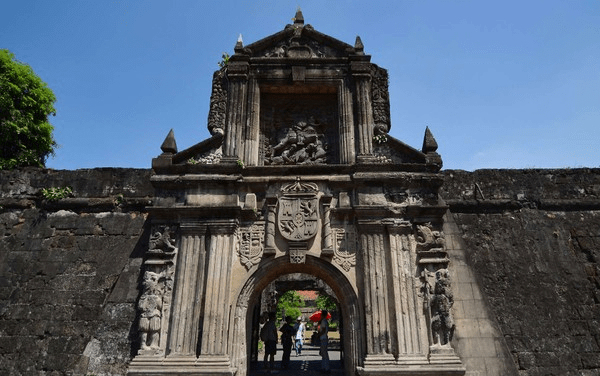
A stroll inside Intramuros will not be complete without visiting Fort Santiago, which is our second stop in our itinerary. It is where Jose Rizal was imprisoned, thus the reason why a lot of people visit it. It also houses the Rizal Shrine where the life and works of Jose Rizal are being displayed. We paid an entrance fee of P50 for students. It will cost an adult P75 to visit Fort Santiago.
Fort Santiago was the defense fortress of Intramuros. It was used as a storage for gun powders and served as a jail for the prisoners. We got there pretty early and only few people were there so we had the chance to fully appreciate and take a look at the place. We felt that we were the only people there, which is fun and peaceful. The peacefulness of the place definitely adds more to the appeal of the place especially once you knew it’s history. We were tempted to play our own version of temple run, though. The place looks the part of the game setting.
There is beauty that lies within the ruins.
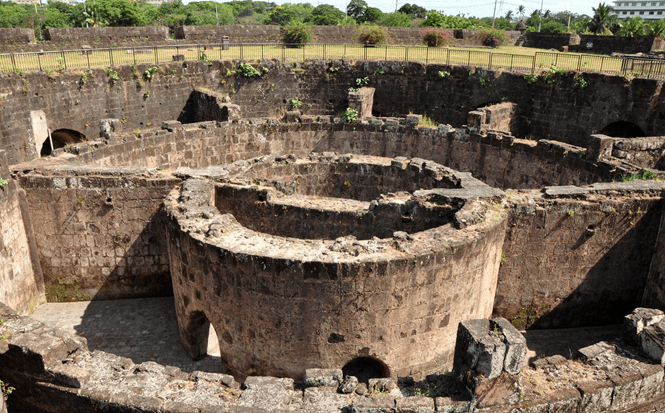
Baluarte de San Diego is a fortress in Intramuros built during the Spanish colonization as a part of their colonial fortification. This is considered as the oldest stone inside Intramuros and was built by a Jesuit priest, Antonio Sedeno. Baluarte de San Diego serves as a reminder of some historical events that happened during the time our country was colonized. It is no longer used for war. Instead, it safeguards the memories of the long eventful past for the present and future generations to learn.

There was also a garden that we wanted to see since a lot of weddings happen there. The pictures we see in the internet doesn’t give it justice, though. The garden is the kind of place best seen upclose and personal.
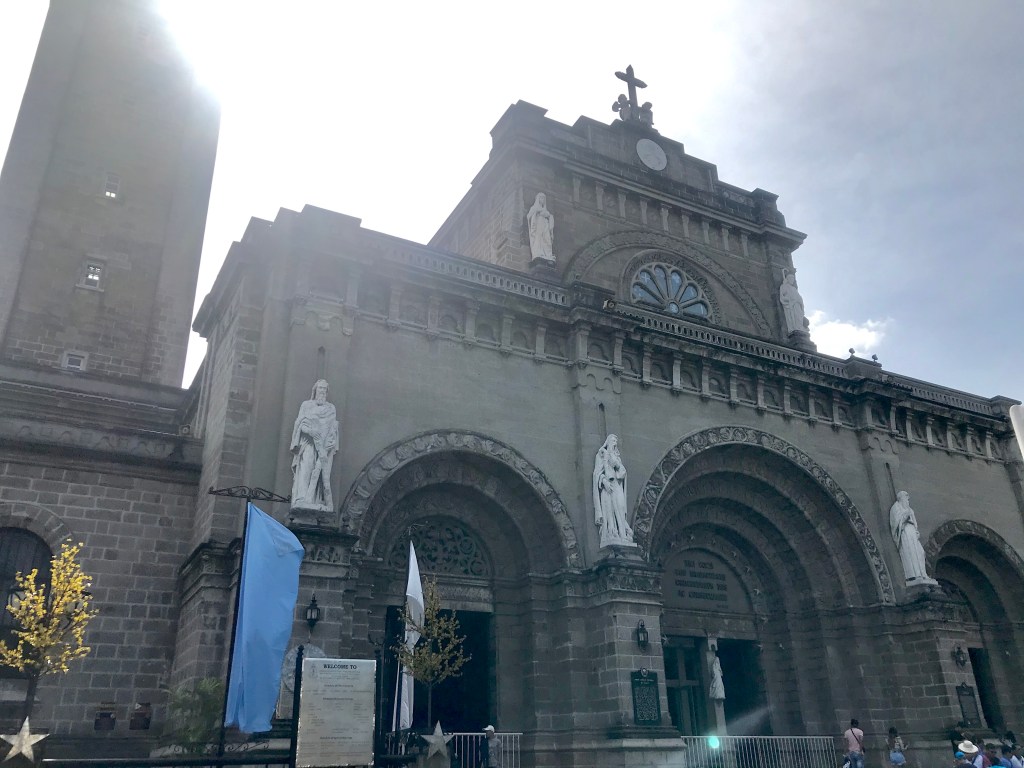
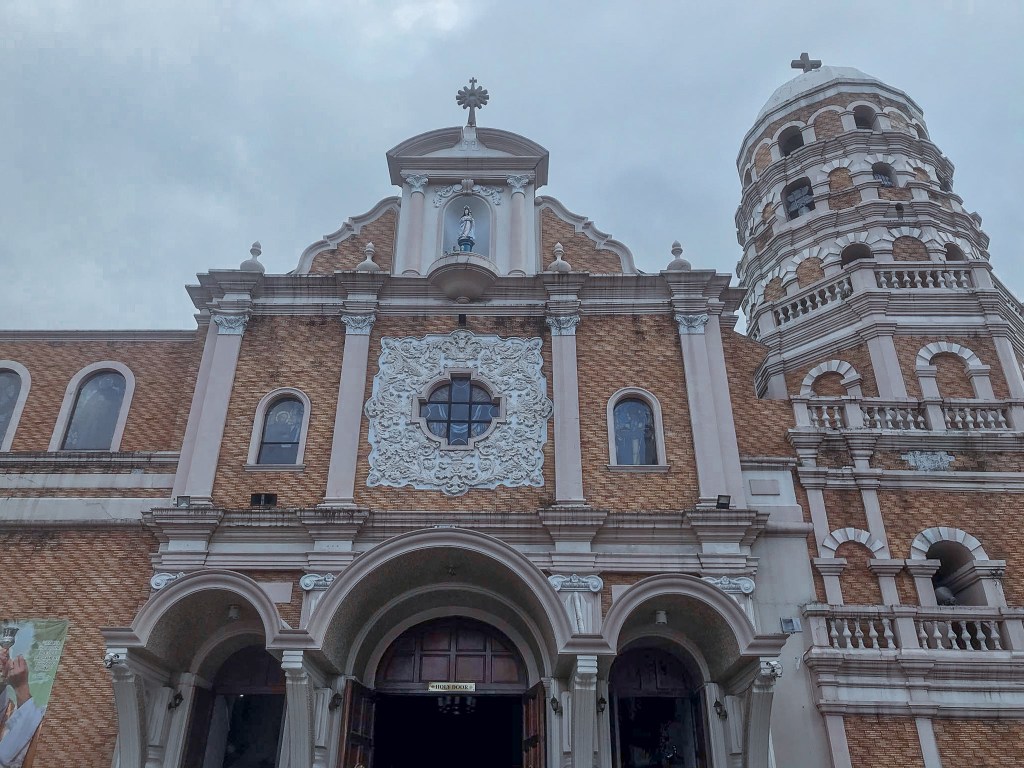
No one goes to Intramuros without visiting the Manila Cathedral. We have been there a lot of times already, but still we decided to stop by. No matter how many times we’ve seen the cathedral, we are still struck with awe by its beauty.
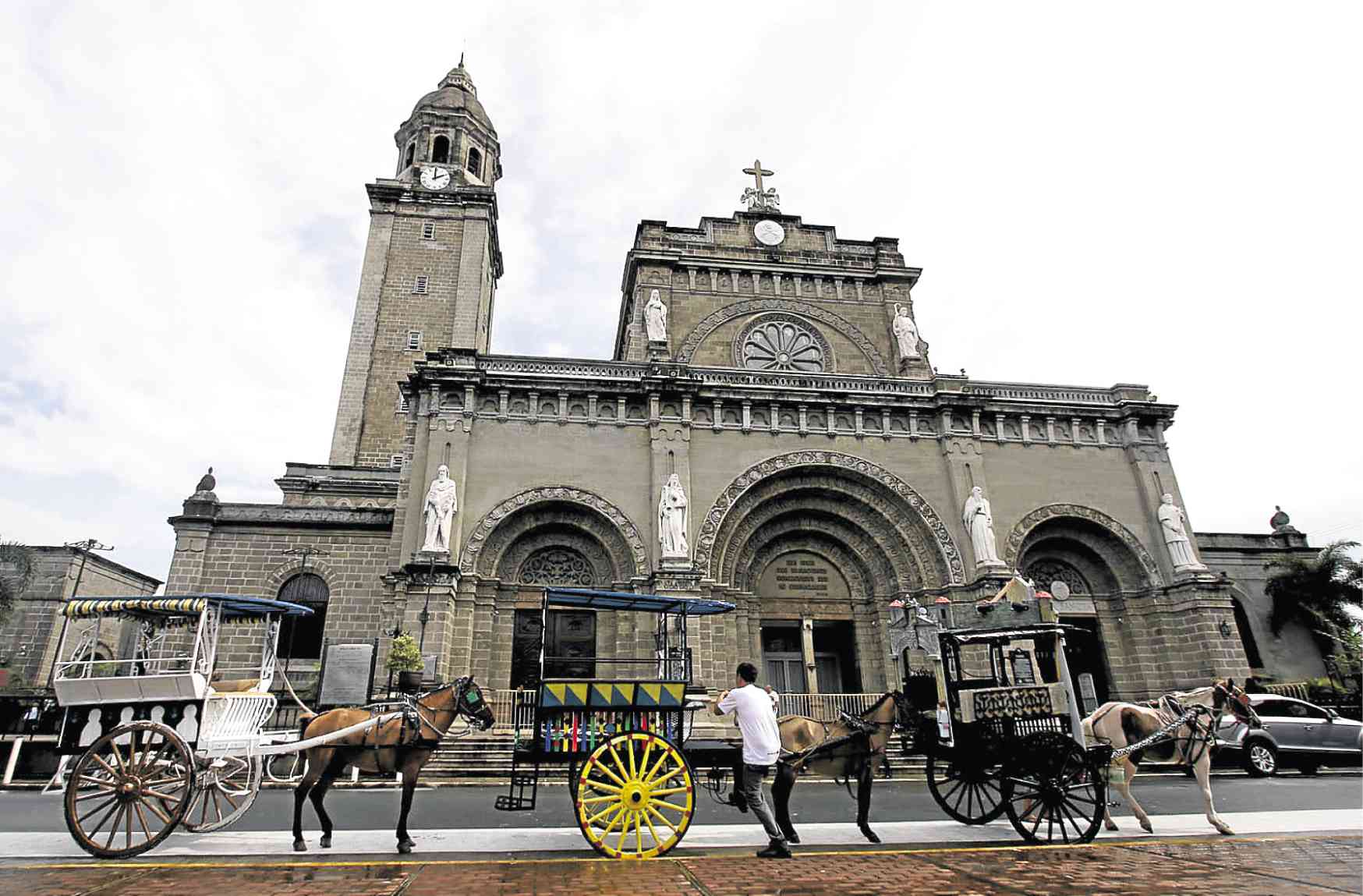

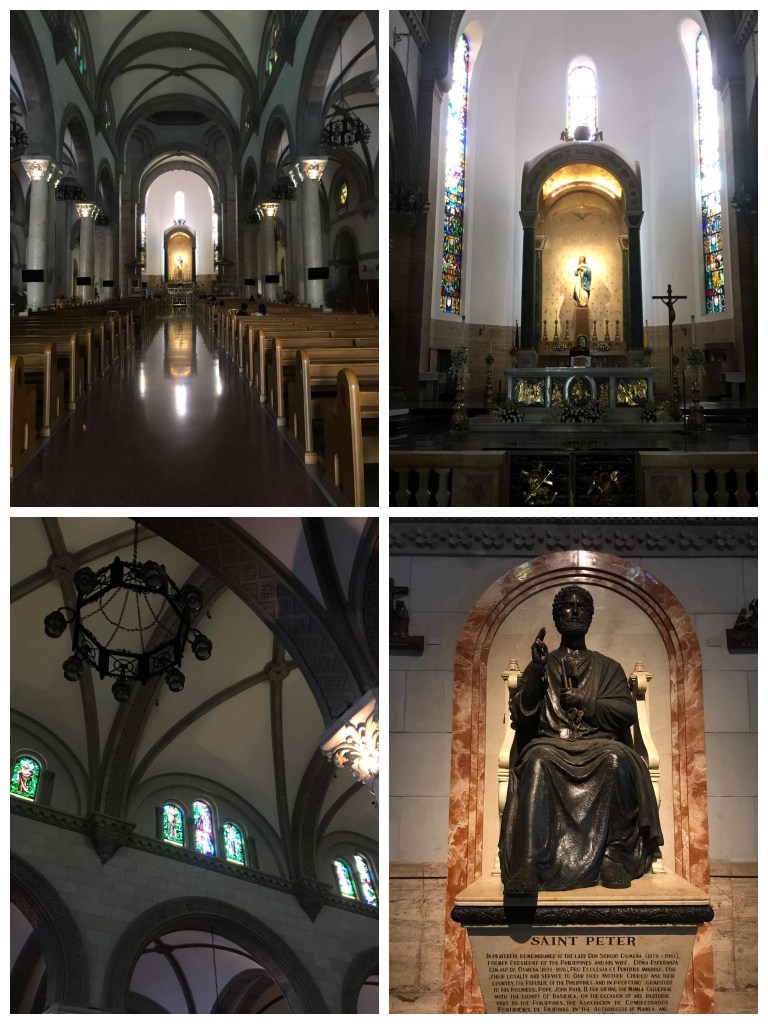
Located in the Plaza Roma, Intramuros, Manila Cathedral is the main Roman Catholic Church in the Philippines. Officially known as the Manila Metropolitan Cathedral-Basilica, it is the seat of the Archbishop of the Archdiocese of Manila, who is normally regarded as the Roman Catholic Primate of the Philippines. Manila Cathedral is actually the eighth cathedral to have been built on this site, the earlier ones having been destroyed by earthquake, fire, or war (including an almost compete destruction during the Second World War).
Its history is very rich and beautiful. It was destroyed countless times but still stood the test of time. It remains as a humble home of every catholic Filipinos.
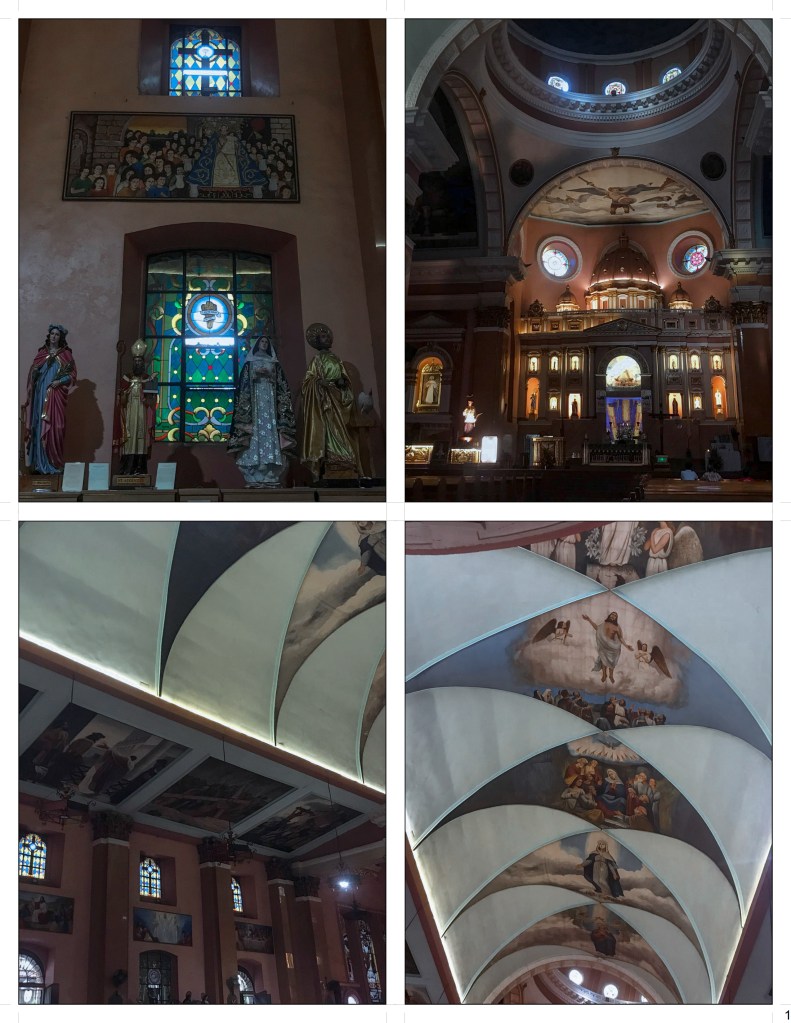
The architecture of the current Manila Cathedral is in the Romanesque Revival or Neo-Romanesque style. It features a magnificent cupola, stained glass windows and mosaics, and restored walls from the earlier cathedral destroyed in 1945. Its façade gives an intense feeling of burning compassion and overwhelming beauty. The classic old fashioned design of the Church made the Manila Cathedral reveal its historical avenues, from the molten rock up to the stone carvings which literally has a deep meaning in store. Manila Cathedral is one of the most visited churches here in Philippines for it never fail to leave its visitors in awe because of its majestic and glorious beauty that it truly have.
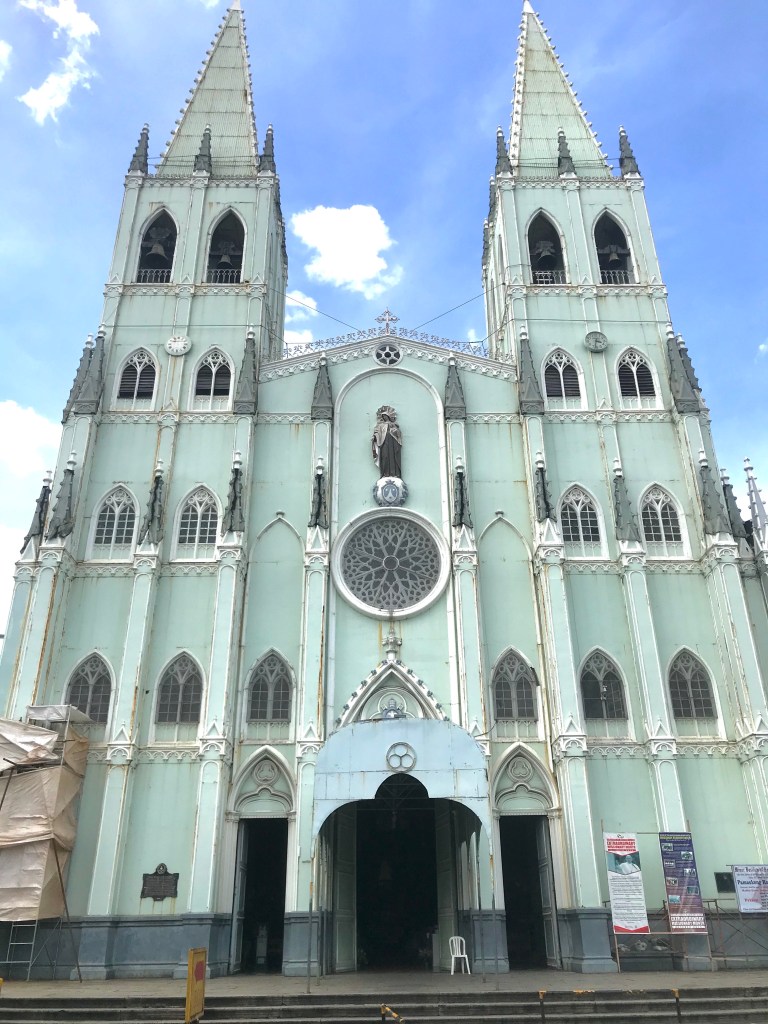
In the near distance, another church is worth the visit. The oldest church in the Philippines and the only building left intact after the fall of Intramuros, the San Agustin Church.

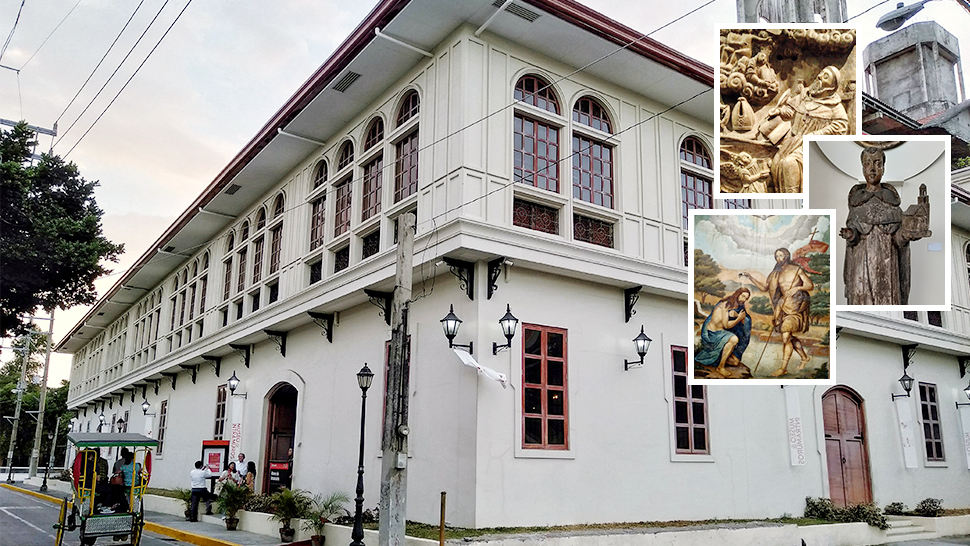
San Agustin Church is located inside the historic walled city of Manila. It was originally built on its present site by Augustinian monks in 1571 and is the mother church of the Augustian order in the Philippines.
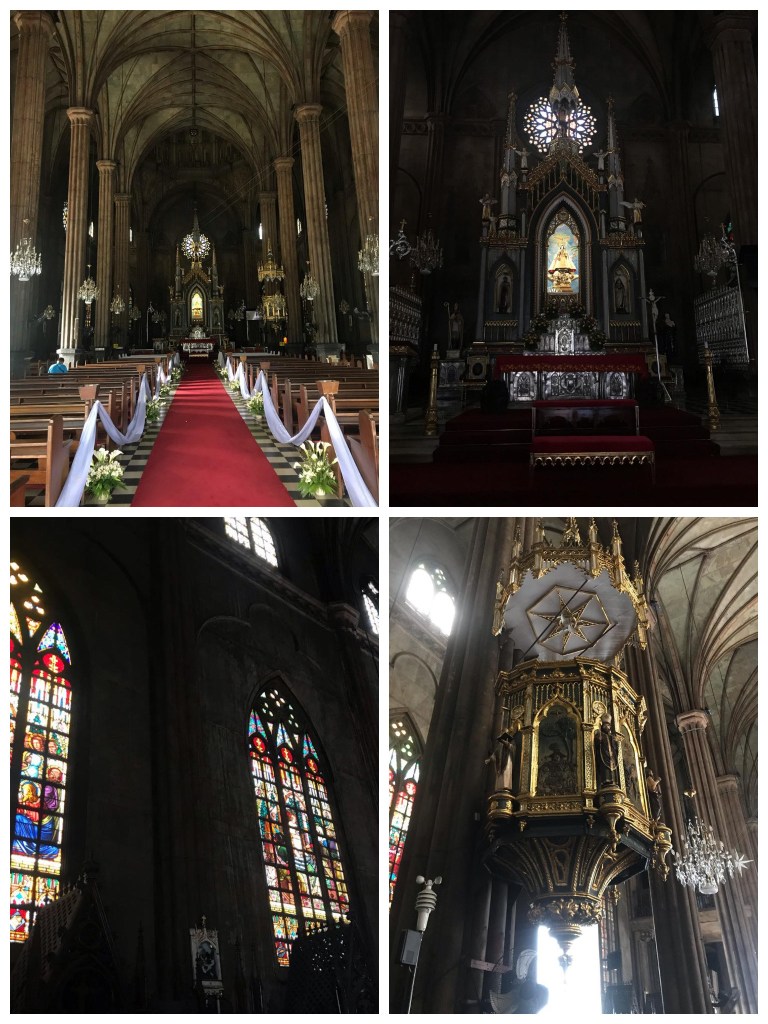
After being twice destroyed by fire, the present church was built here between 1599 and 1606. Since then, it has survived seven earthquakes. The church, together with the monastery next door, was the only building inside Intramuros left standing in World War II after the American bombardment in February 1945. The current incarnation of the church is built in a Spanish-Mexican baroque style, with some Chinese/Philippine elements added in. It features trompe-l’oeil murals on the ceilings and walls, and a vaulted ceiling and dome.
The San Agustin Church was constructed in a Philippine Baroque Style also known as the Peripheral Baroque Style, in which the European Baroque style was adapted to Philippine social and physical conditions whereas the church are designed with squat, massive, monumental fortresses to protect the building from marauding invaders; and designed with the structure reinforced with buttresses to resist the ravages of earthquakes.

Its oldness is clearly evident in its façade but you do not judge a book by its cover right? Wait until you unveil and see the true beauty of its insides, you will be able to ask yourself if your eyes just fooled you when you were outside. The big, shining and sophisticated chandeliers made the famous San Agustin Church very classy and pleasing to the eyes. Its architectural design inside was very well planned and coordinated and it seems that every design that this Church have has meanings for us to excavate. The Spanish church inside Intramuros is known for its magnificent ornate interior and vaulted ceilings with intricate design. So fancy, we know.
Now let’s see what is beyond the walls.
The next place in our itinerary was Luneta Park. Since we decided to visit the museums, might as well take a stroll in the Park for old times sake.
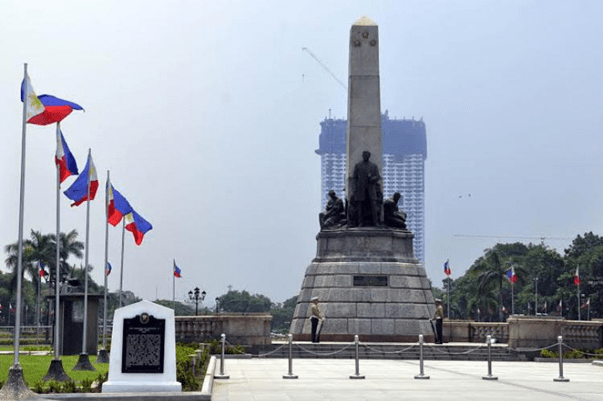
We walked on the way to the Luneta Park. We arrived pretty early in the afternoon and we decided not to linger too much since it is hot standing and walking under the heat of the sun. “Sayang kojic, sis!” As JM said.
Here in our country, probably the most popular, most visited, most guarded and most photographed monument is the monument of Jose Rizal in Luneta Park. It is the highlight in Luneta Park. It is a memorial in Manila built to commemorate the executed Filipino nationalist, José Rizal. The monument consists of a standing bronze sculpture of Rizal, with an obelisk, set on a stone base within which his remains are interred. A plaque on the pedestal’s front reads: “To the memory of José Rizal, patriot and martyr, executed on Bagumbayan Field December Thirtieth 1896. This monument is dedicated by the people of the Philippine Islands.”
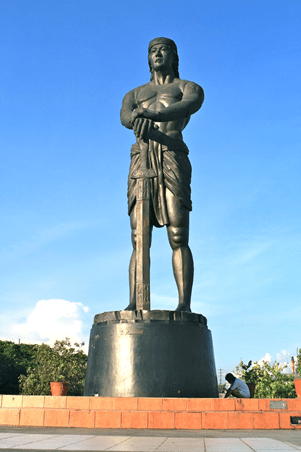
It is hard not to notice this statue of Lapu-Lapu on the way to the museums. Standing at 40 feet tall, the Statue of the Sentinel of Freedom, the Lapu-Lapu Monument is in the center of Teodoro F. Valencia Circle in Rizal Park. We all know that Luneta Park or Rizal Park is one of the popular tourist spot destination here in Manila. There are beautiful places where you can hang out with your friends or with your family. One of those places you need to capture is the statue of Lapu-Lapu. The Statue of the Sentinel of Freedom was a gift from the people of South Korea as appreciation and to honor the memory of freedom-loving Filipinos who helped during the Korean War. Lapu-Lapu was a native Muslim chieftain in Mactan, Cebu and representative of the Sultan of Sulu, and is known as the first native of the archipelago to resist Spanish colonization. He is retroactively regarded as the first national hero of the Philippines.
According to the former tourism chief, the location of the statue of Lapu-Lapu is highly significant. From the shores of Laguna de Bai following the pathway to Luneta, one will find the monument of Lapu-lapu some distance behind the monument of Dr. Jose Rizal, the national hero of the Philippines. Instead of being in a battle stance, the hero is shown standing guard, holding his kampilan, which is concealed in its scabbard and firmly planted on the ground. The hero’s face conveys strength and determination but with such great kindness and a stance that exudes power and vigilance.
This monument would like to impart the message that the Filipino is a ‘man of peace’ yet is ready to protect his territory and people if threatened.
The statue shows different elements of art like its texture where it shows how strong Lapu-Lapu was. The form is also seen in the statue where it shows Lapu-Lapu’s masculinity. The sculptor also use different principles of design, one of those is proportion of the statue. The size of the upper and lower part of the body is same as the size of a person. The statue also shows emphasis, where the face of Lapu-Lapu is very detailed also it’s body.
Lapu-Lapu made a big history in the Philippines, through his statue we recognized him as the first brave hero here in our country. So if you are planning to go to Luneta Park with your friends or with your family, bring a smile to your face and have a picture with our brave hero Lapu-Lapu.
These monuments of our two greatest heroes are the constant reminders of the freedom we enjoy today.
Instead of just walking through the Park, we should take time to appreciate those who fought for our freedom since it is a nice way of giving respect to them, our heroes.
After some pictures here and there, we went ahead to the museums. First on our list was the National Museum of Natural History.
The National Museum of Natural History (Pambansang Museo ng Likas na Kasaysayan) is the national natural history museum of the Philippines. It is located along Agrifina Circle in Rizal Park. It is part of the National Museum Complex which boasts three other attractions: the National Museum of Fine Arts, the National Museum of Anthropology, and the National Planetarium. All three museums are within walking distance to each other making them easily accessible to the public.
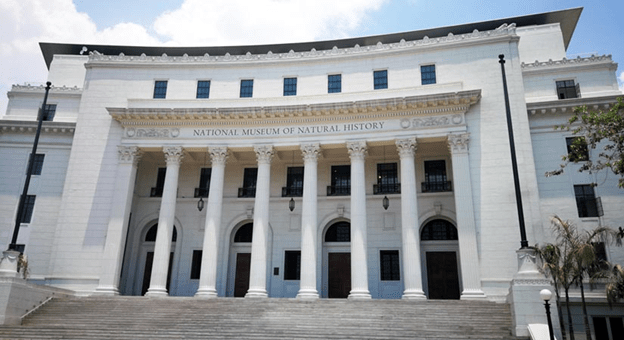
It was officially opened to the public in May 2018. Completed in the 1940s, the museum was formerly called Agriculture and Commerce Building. Before it became the National Museum of Natural History, the building used to be the headquarters of the Department of Tourism until 2015.
Museums play a big role in reminding us of how we grow as a people. Through arts, installations, and precious artifacts, they awaken our desire to know more about our rich culture, our history, and our environment, which make up our national identity.
The Natural History Museum focuses on the biodiversity and ecosystem of the Philippines. They exhibit taxidermied animals that are local to our country. Through this they are able to preserve our local lost treasures. The usual suspects such as the Philippine Eagle and a real life replica of Lolong, the largest Saltwater Crocodile in captivity, can be found here. If you haven’t been living under a rock the past few days, you might have already seen the numerous photos of the “Tree of Life” in the middle of the main atrium. It’s basically an elevator which brings you up to the fifth floor, granting you an amazing bird’s-eye view of the museum. From there, you work your way down.

One of the attraction inside the museum is the tree of life. The Tree of Life structure contains a glass elevator that brings visitors up to the third floor galleries. The idea of the Tree of Life was inspired by natural history and man’s wanting to understand nature and his place in it. The tree of life architectural structure composed of two parts, the dome and the DNA-like structure. The dome serves as the atrium’s ceiling, while the DNA-like structure links the dome to the atrium’s ground, resembling a tree trunk. The elevator itself is an attraction, offering a great view of the museum’s foyer/atrium. At the heart of the design is a proposal for the transformation of the courtyard into a bright and airy urban space that shall be the hub of the building’s new public realm.
The tree of life is the best attractive spot inside the natural history where the visitors loves to stay besides the tree of life than to go to other galleries because of the surroundings and also the dome structure is brilliant to give sunlight in the center of the museum. Sobrang liwanag sa loob, ang fresh. Natural na natural!
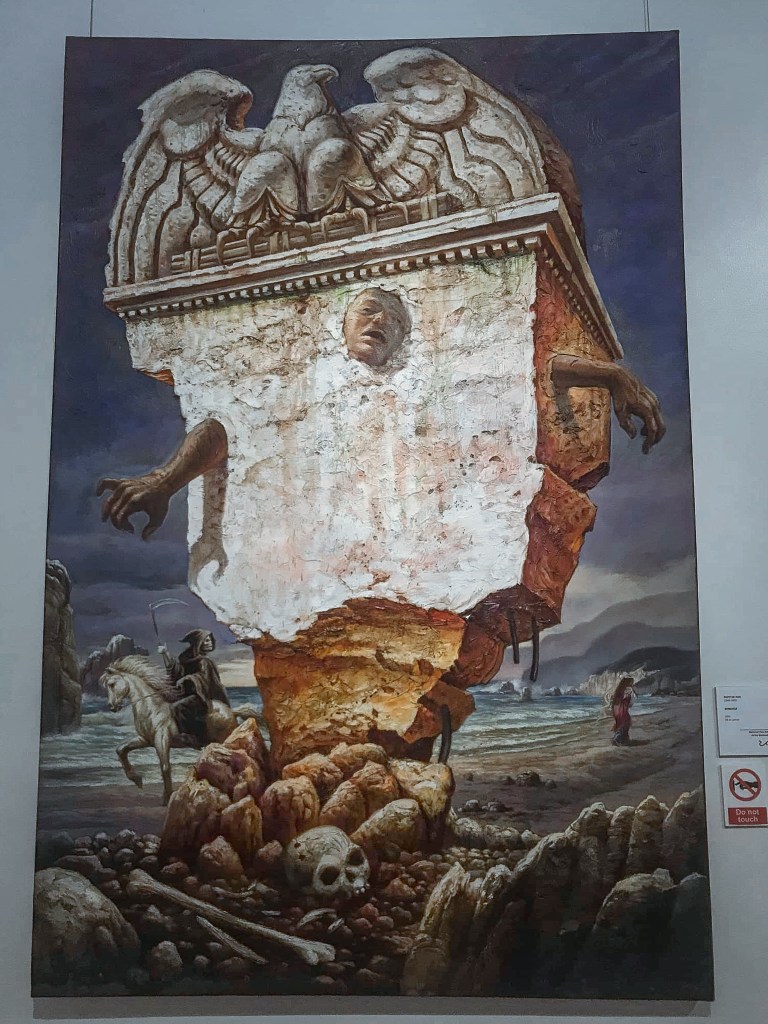
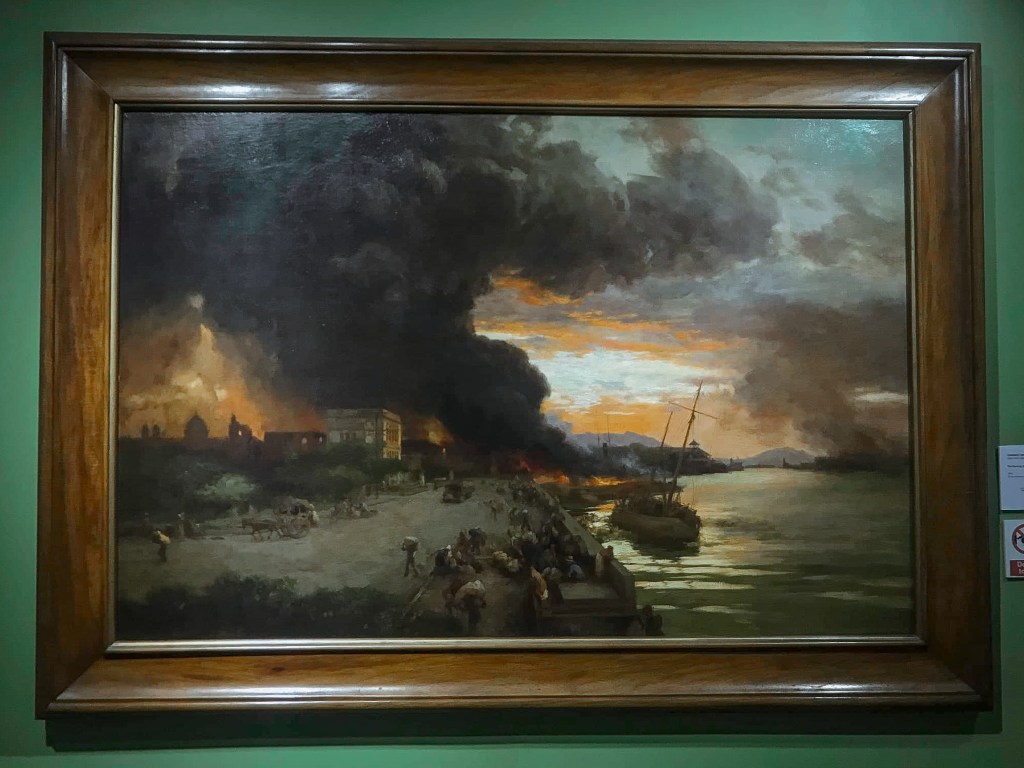
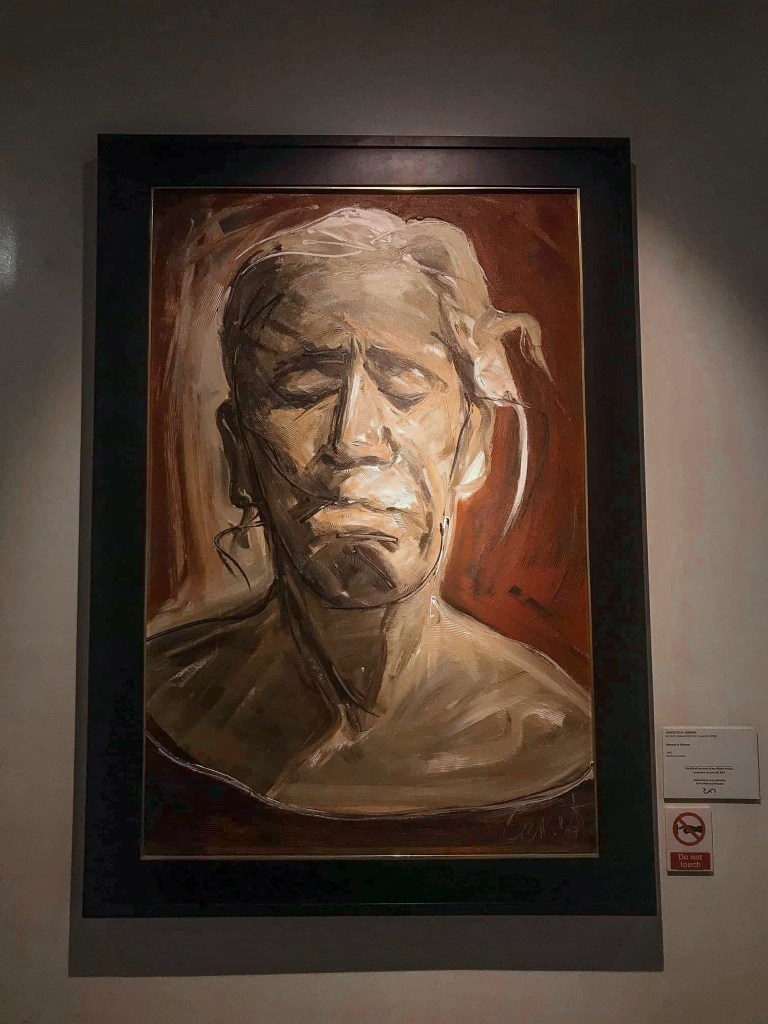
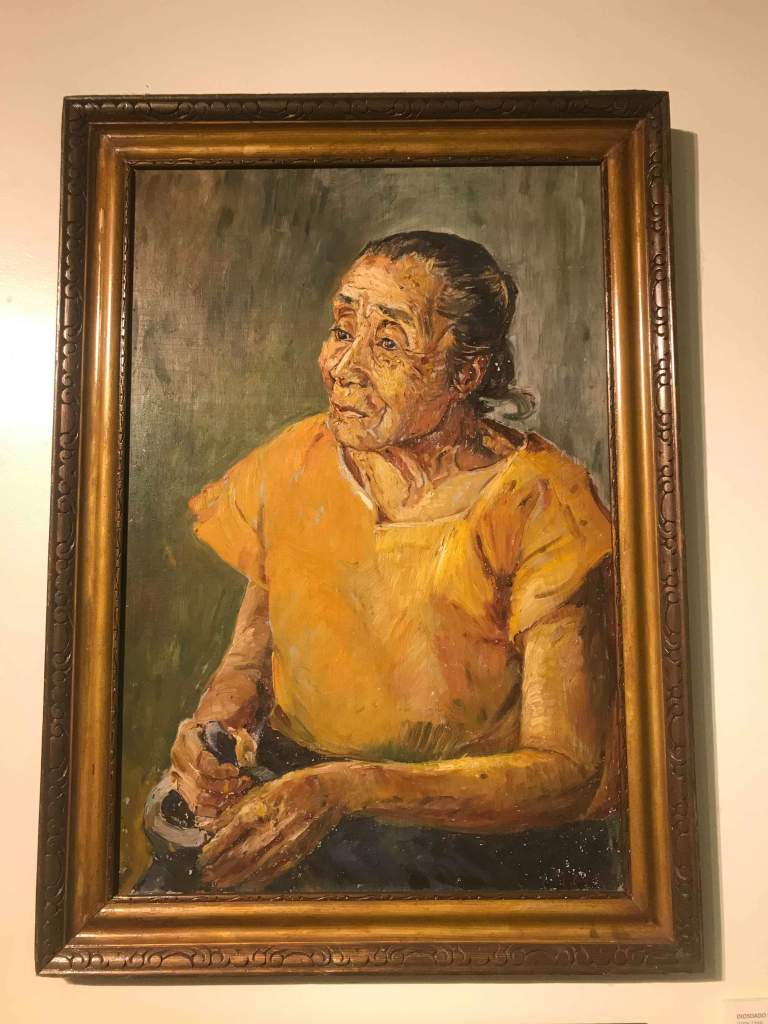
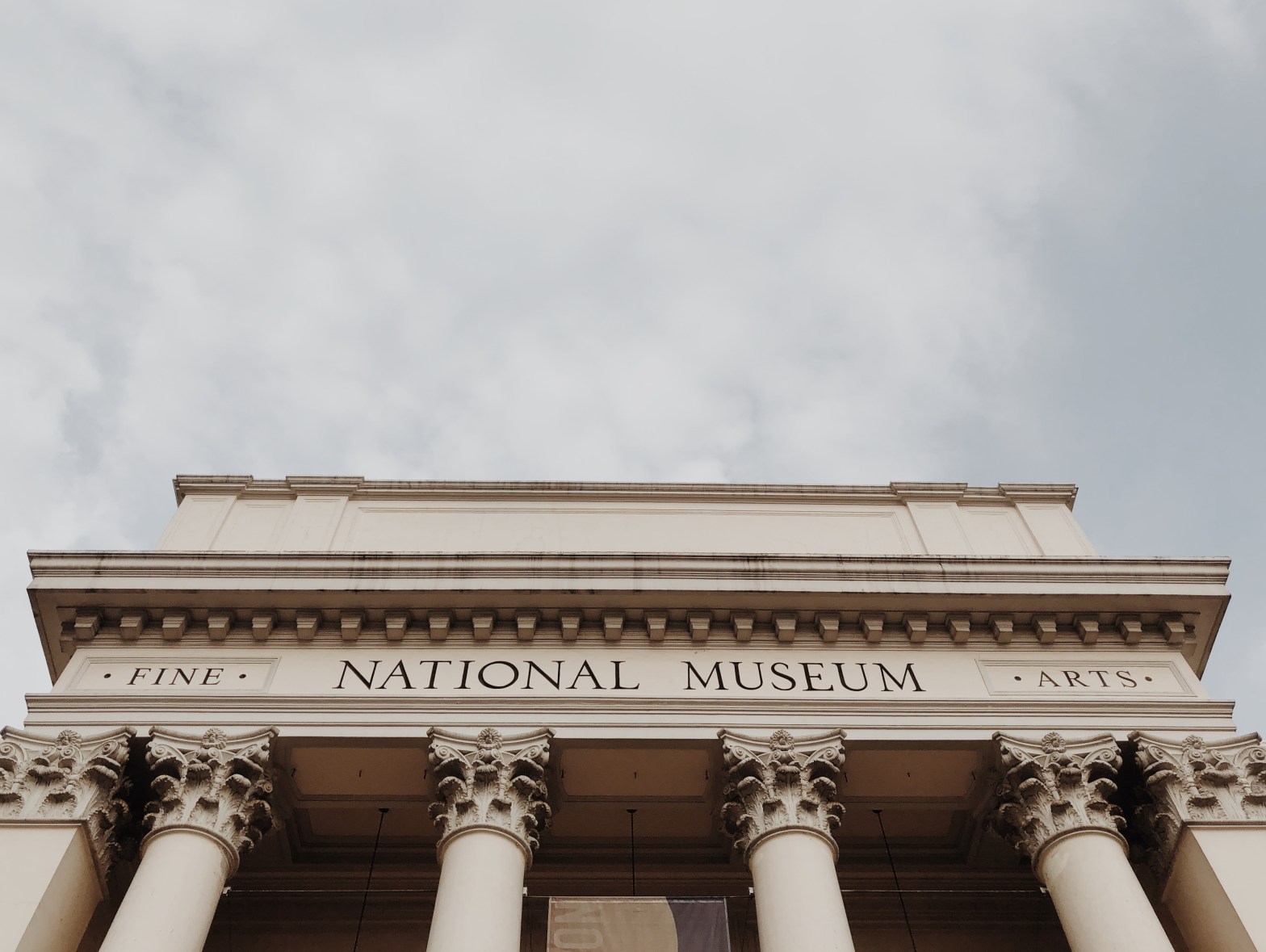
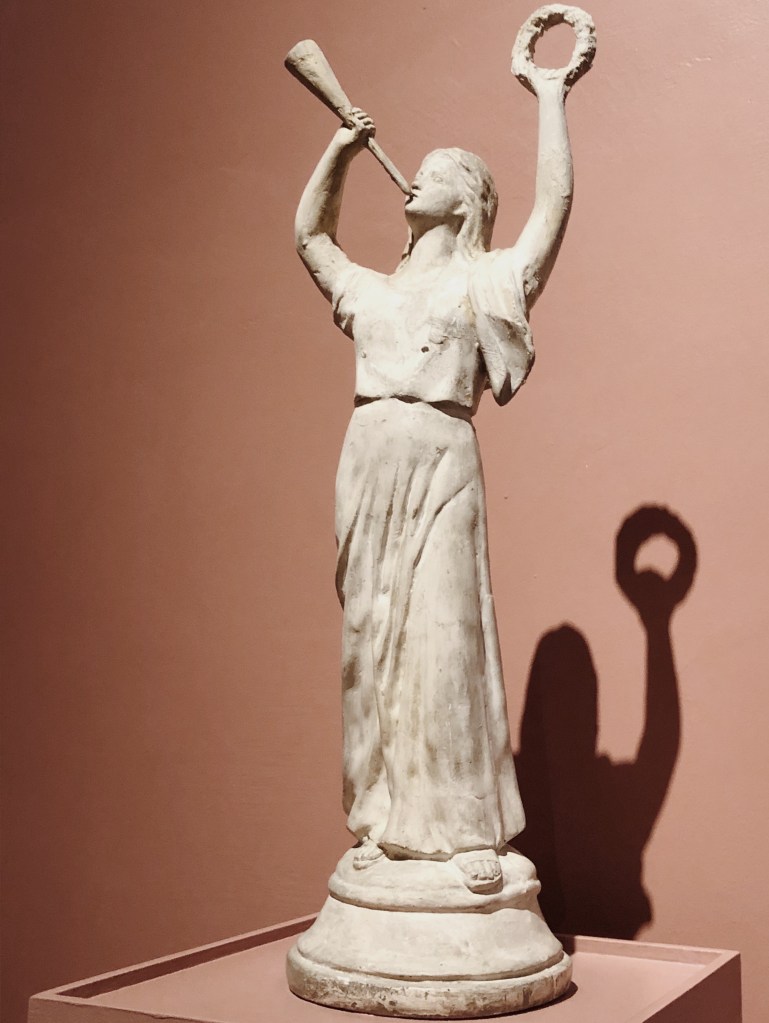
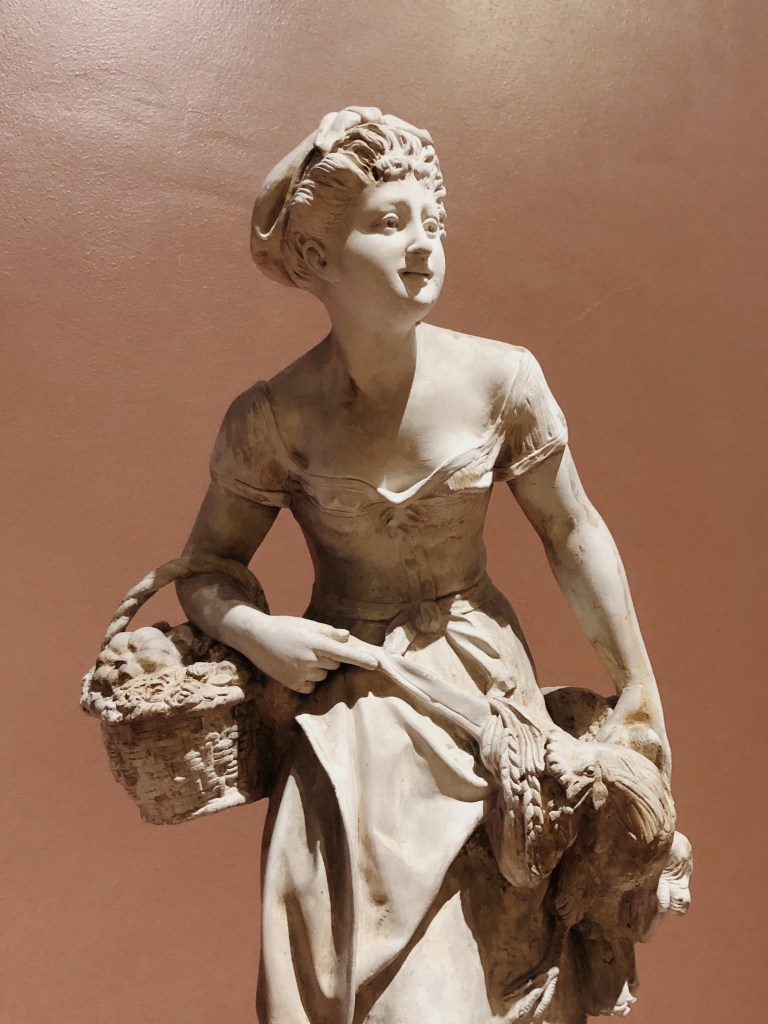
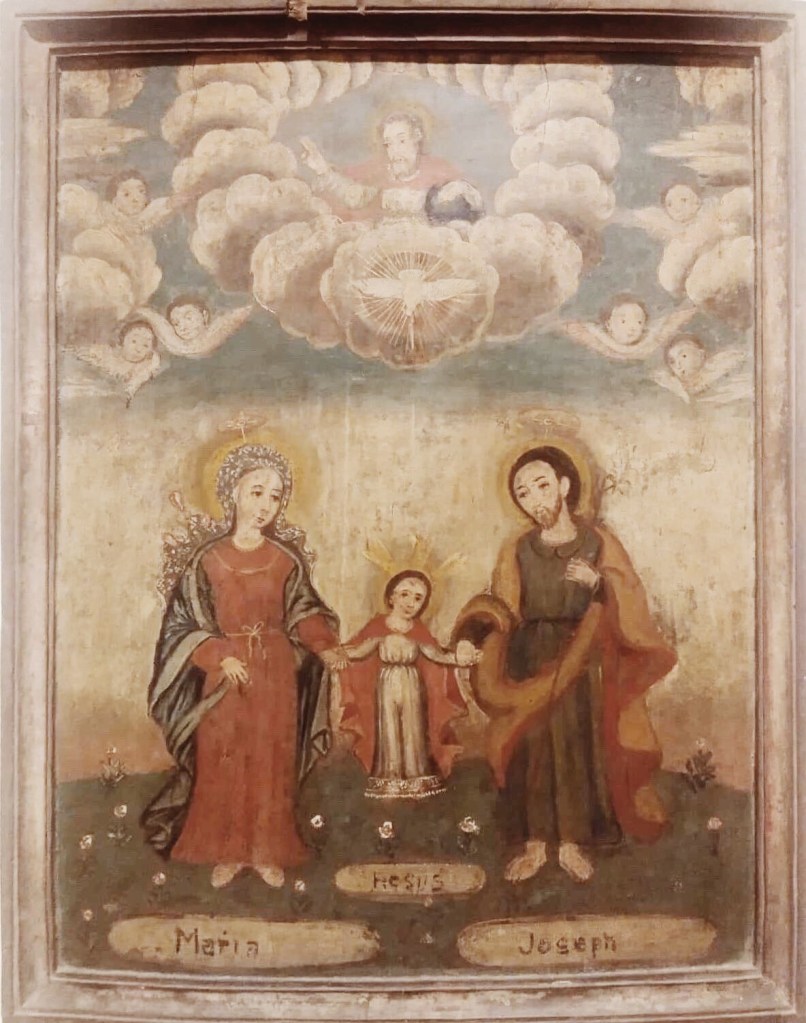
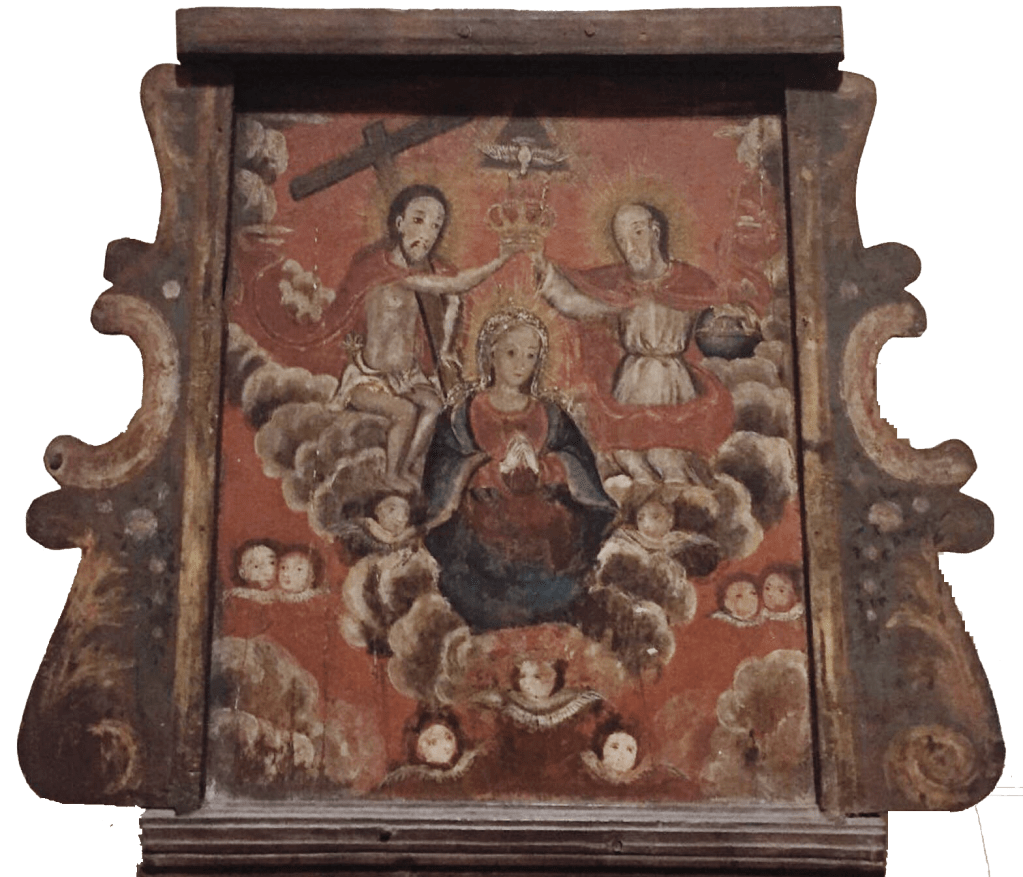
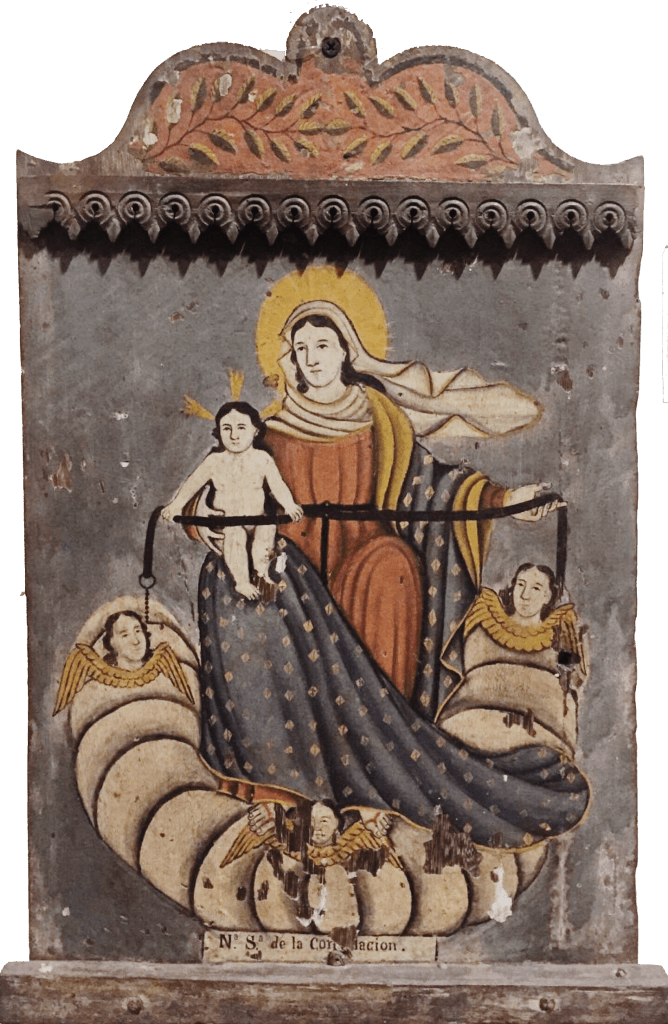
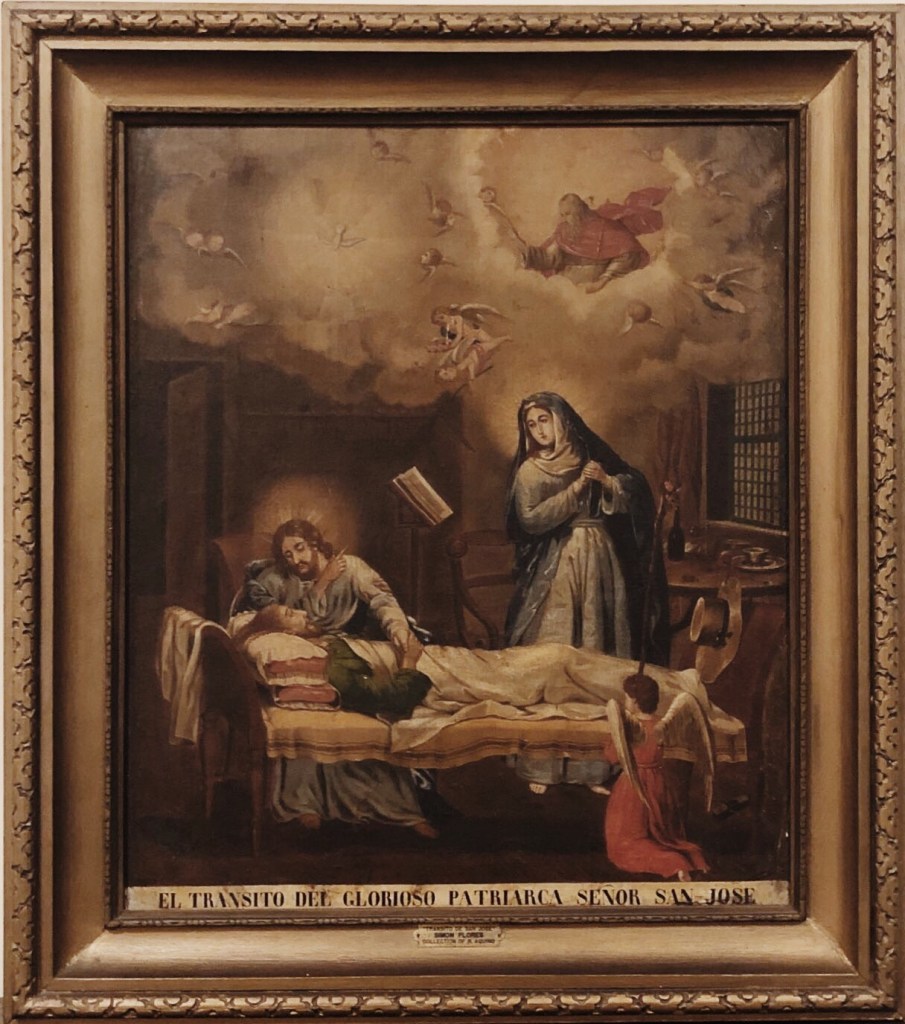
After the Museum of Natural History, we went to the National Museum of Fine Arts. If you are a big fan of art especially paintings, you might want to visit this museum first. A tip though, if you want to visit every room in every floor, you might want to start early. We were only able to take a peek at the first two floors and it took an hour and a half. So of you want to make the most out of your visit, plan wisely or visit only two museums at a time.

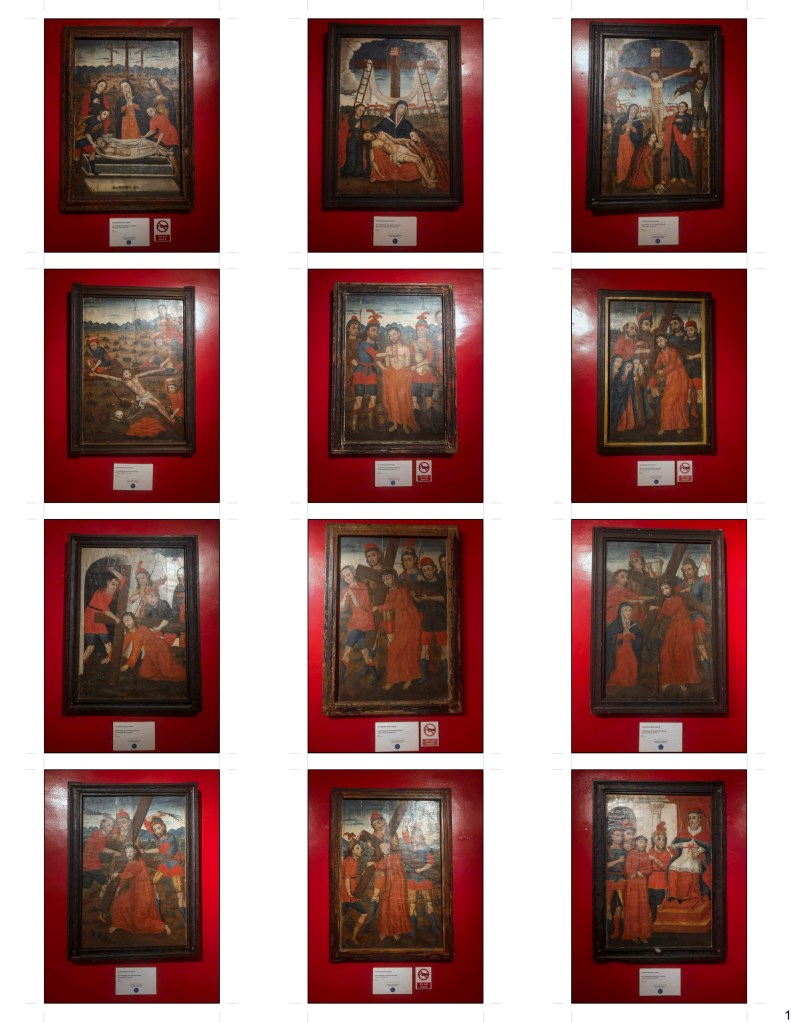
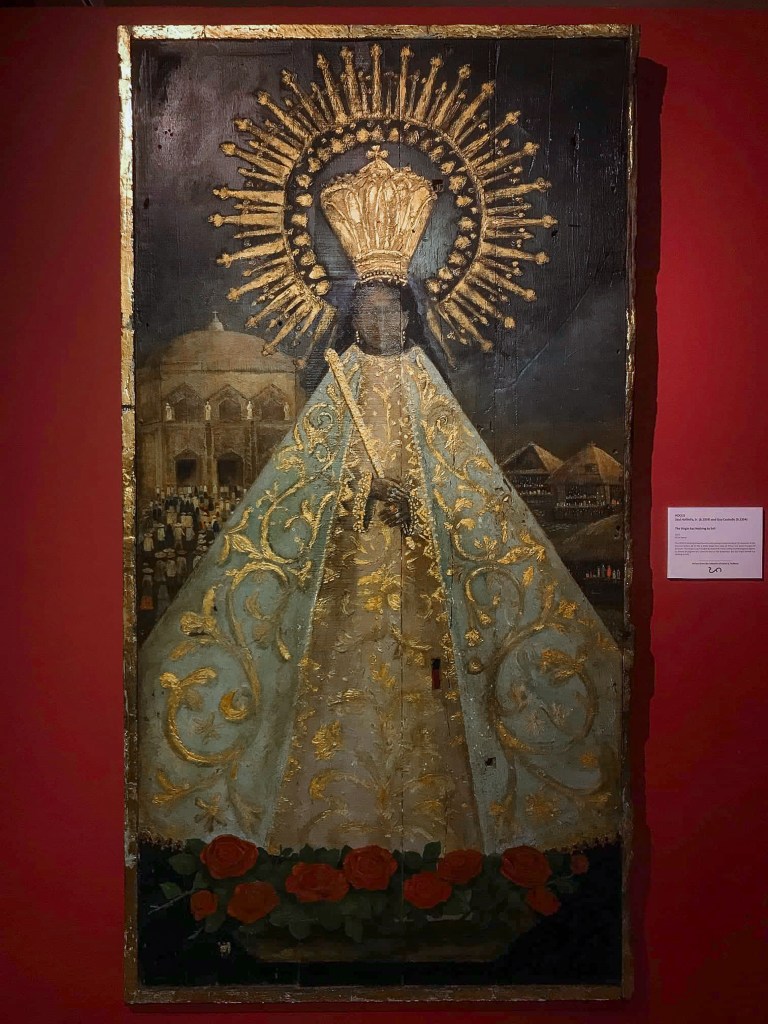
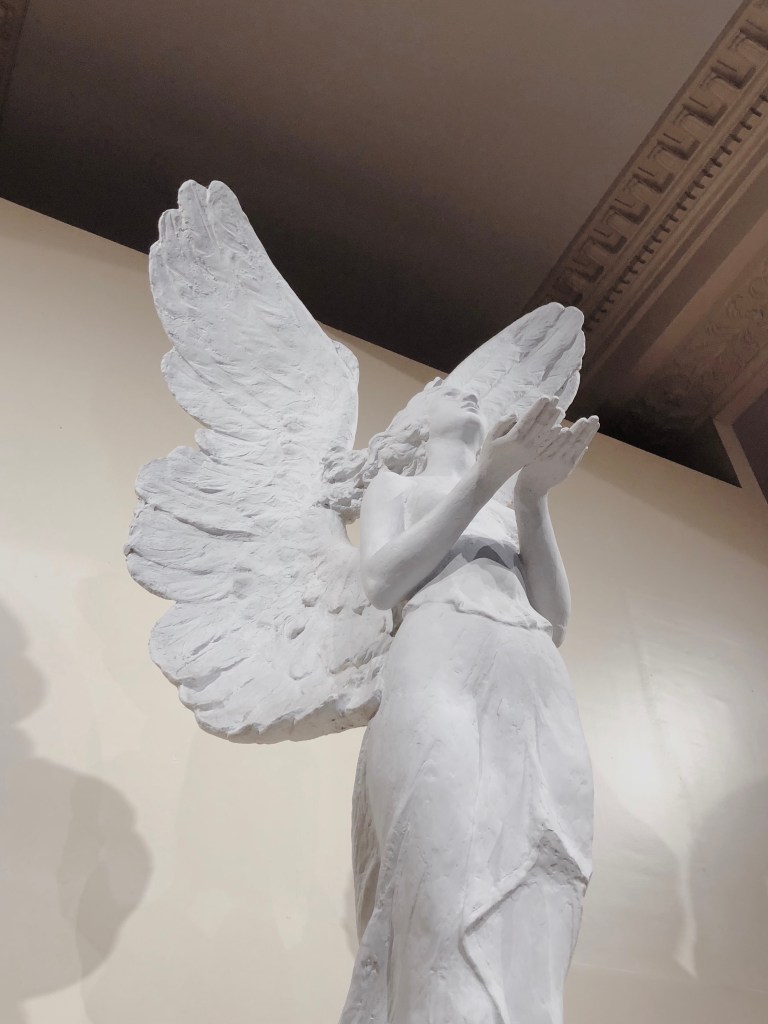
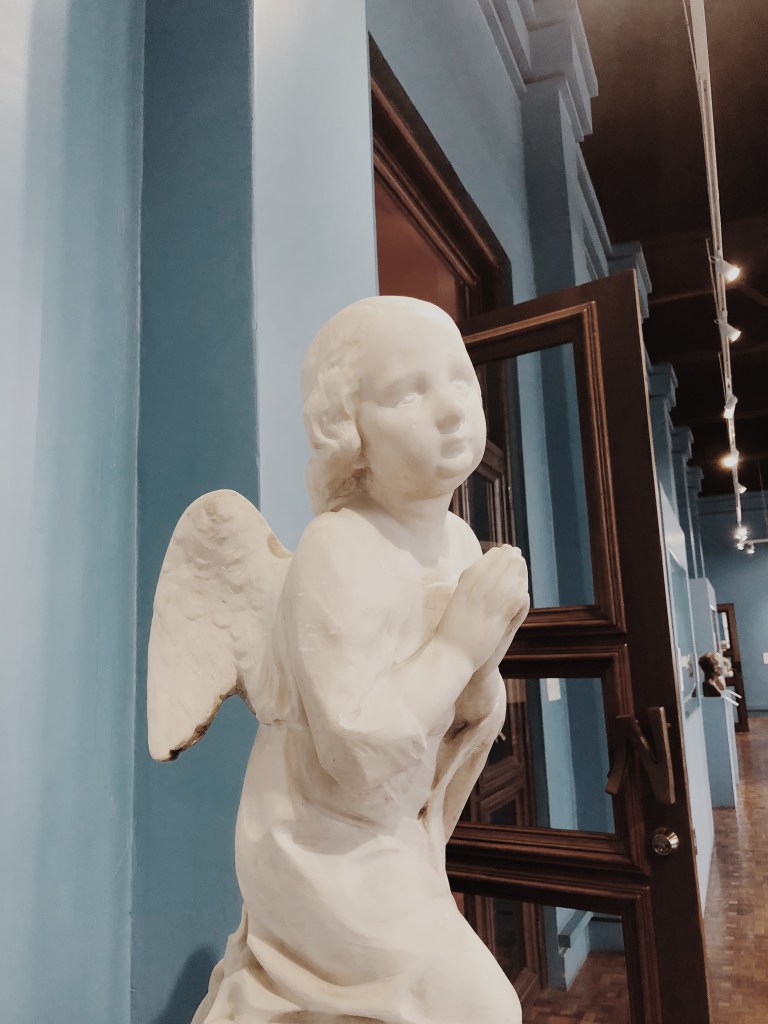
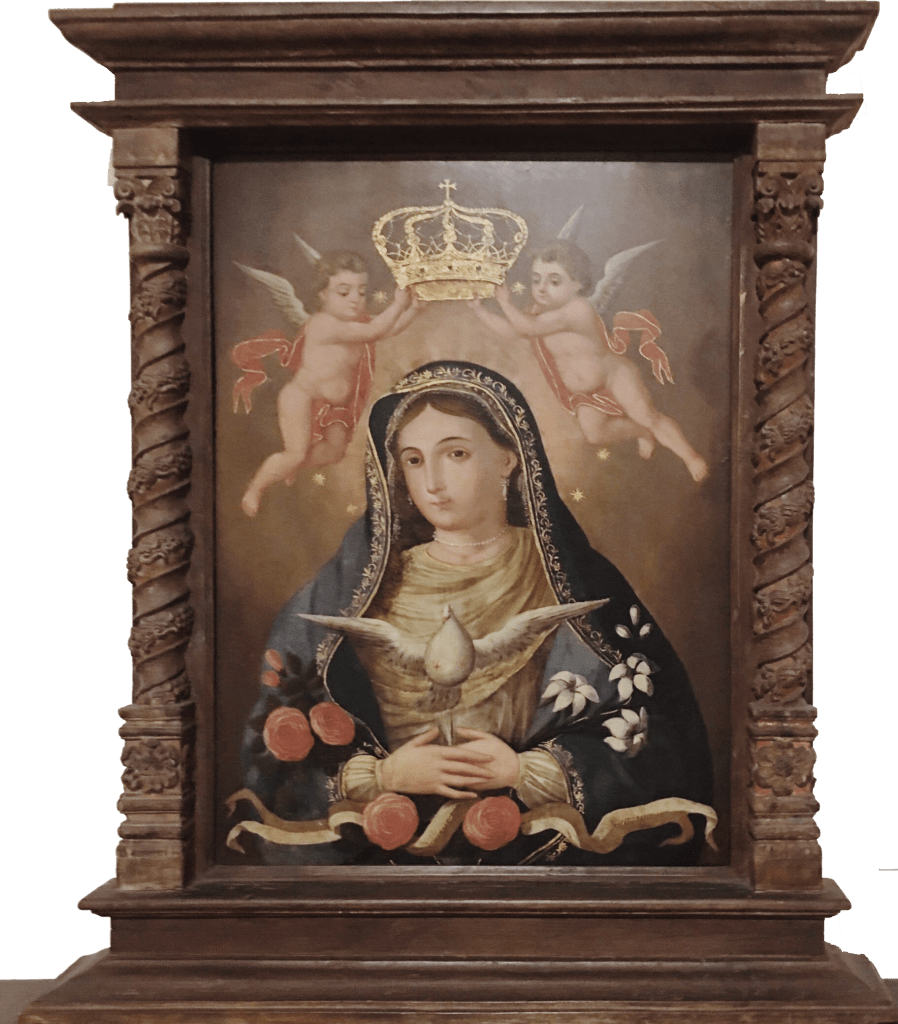
Art has been a big part of our country’s history and it is something worth putting your attention to. This branch of the National Museum of the Philippines was formerly called as the National Art Gallery. Its primary goal is to preserve and protect the Philippines’ cultural treasures; and to preserve their legacies for the future generations. The museum houses artworks of different forms dating from the 18th century to the late 21st century.
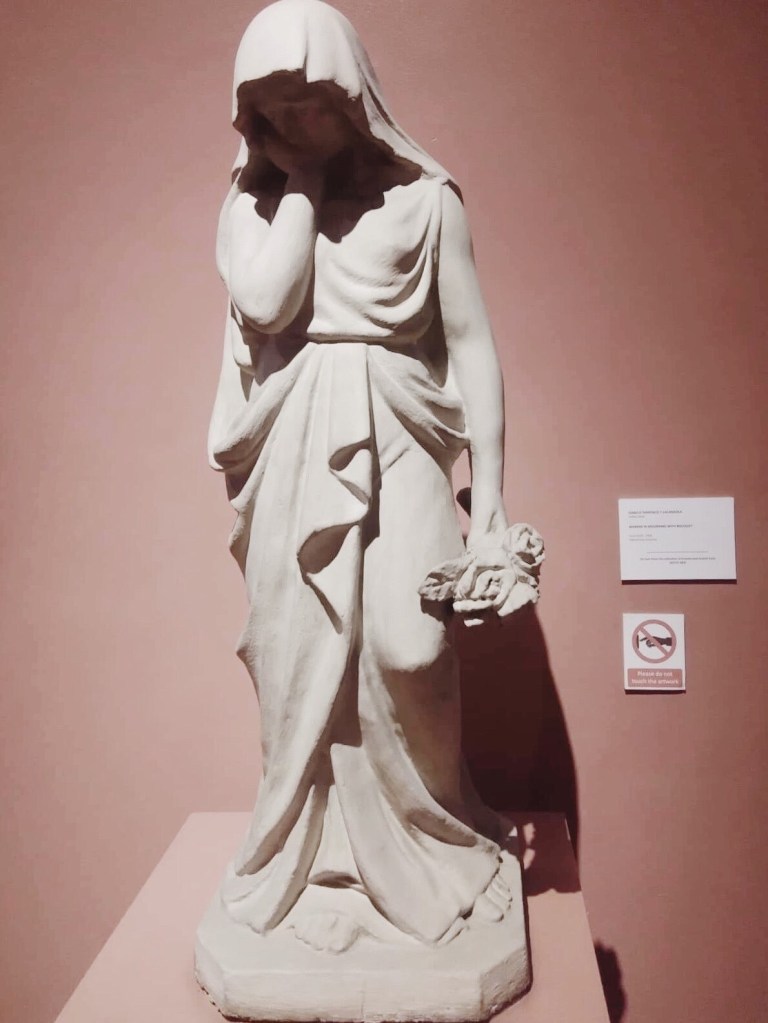
It is not our first time visiting the museum, but we were still overwhelmed by the amount of art that surrounded us. It is allowed to take photos, but taking videos are forbidden (believe me, we found out the hard way).
The façade of the building had classical features using stylized Corinthian columns, ornamentation and Renaissance inspired sculptural forms. During the World War II, the building was heavily damaged, though built to be earthquake resistant. After the war, it was rebuilt albeit less ornate and less detailed. Today, the building holds the country’s National Art Gallery, natural sciences and other support divisions.
National Museum is a place where most people has found their comfort. In addition, National Museum of Fine Arts is a place where you will find a peice of an art that fits on every person’s perspective, ideas, expression and feelings. It is a place full of emotions and expression. It is amazing how an art can speak to every person. Every piece of an art has its own different meaning, it just depends on how people will look at it and interpret its definition. People should salute and appreciate artists for being brave in letting their opinions and emotions out in the open through their works.
After the Fine Arts museum, we went to our, unfortunately, last stop in our itinerary. The National Museum of Anthropology.
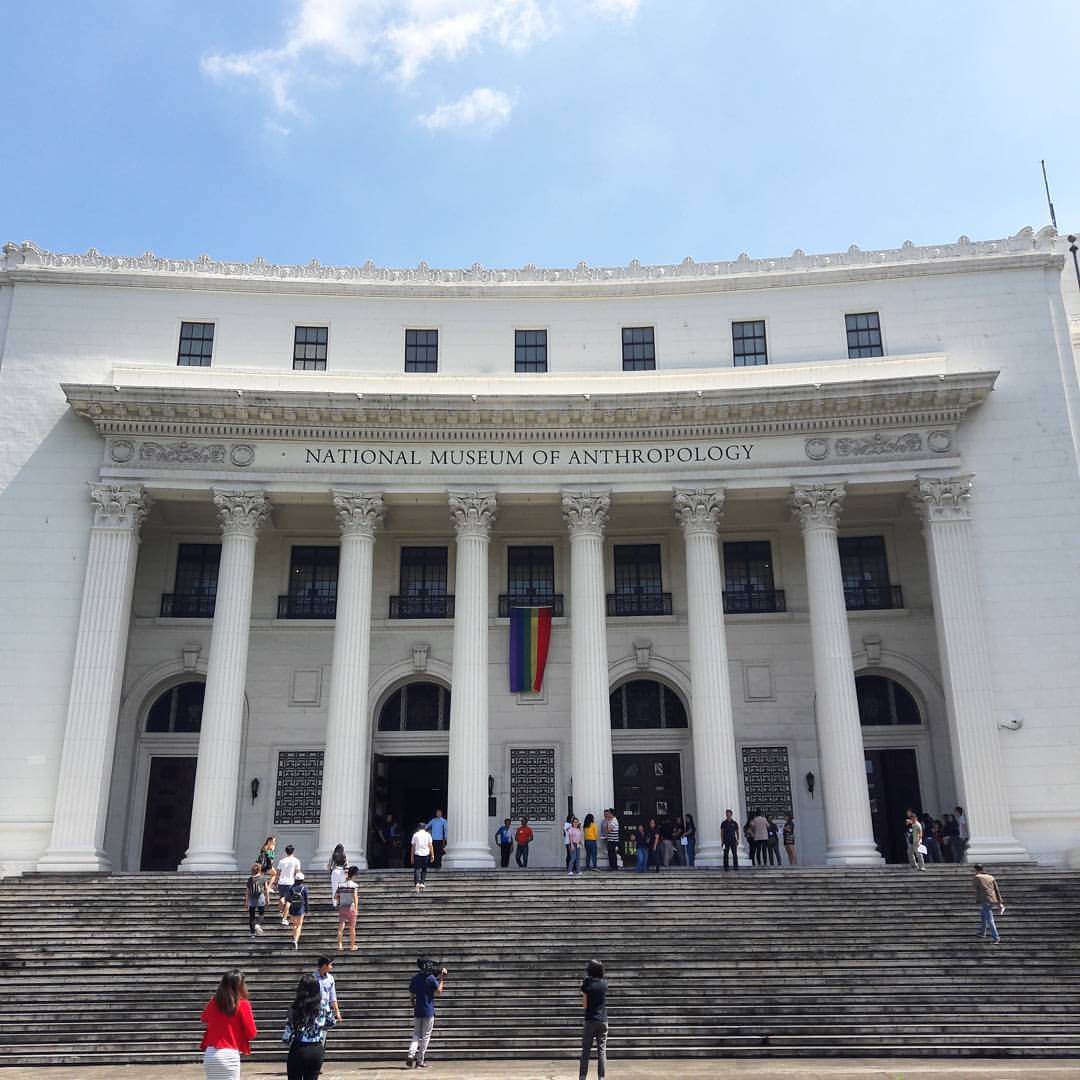
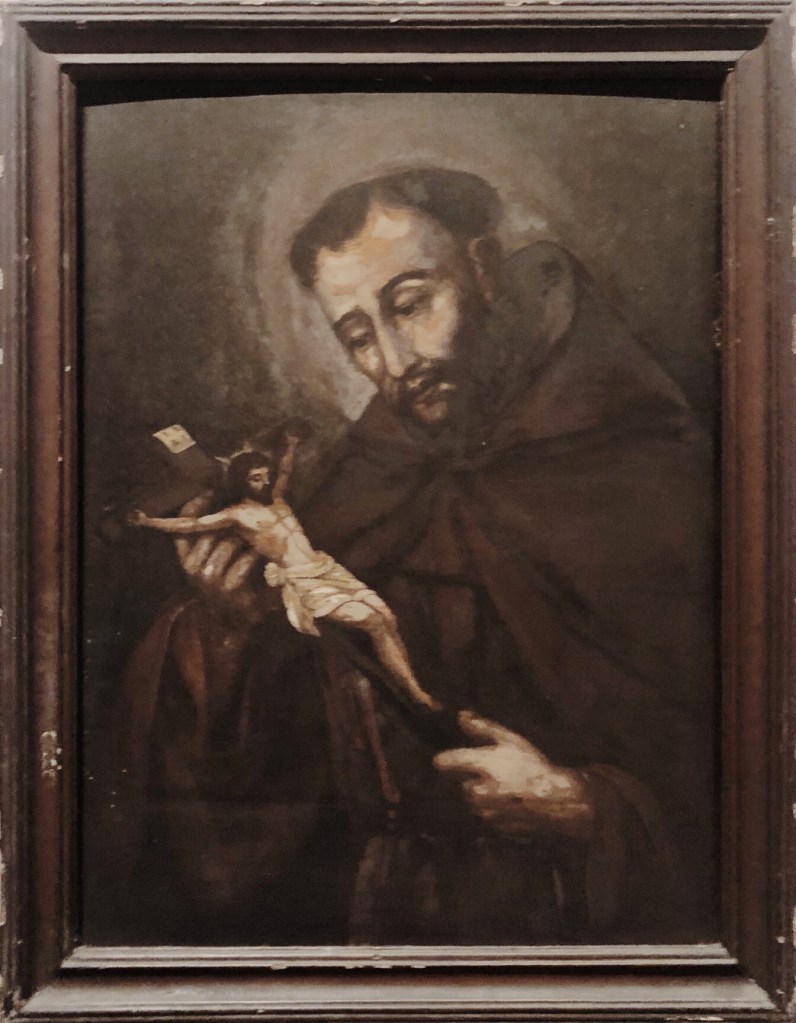
For every one of us, this will be our first time in visiting the National Museum of Anthropology. One of the reasons we picked it last. We have been to the Natural Museum and Fine Arts before, but not this one. We were excited since we still had a couple of hours before night falls. And we had plans to return to Intramuros to check out a cafe near Manila Cathedral that has been making noise in facebook. Yes, it is that cafe!
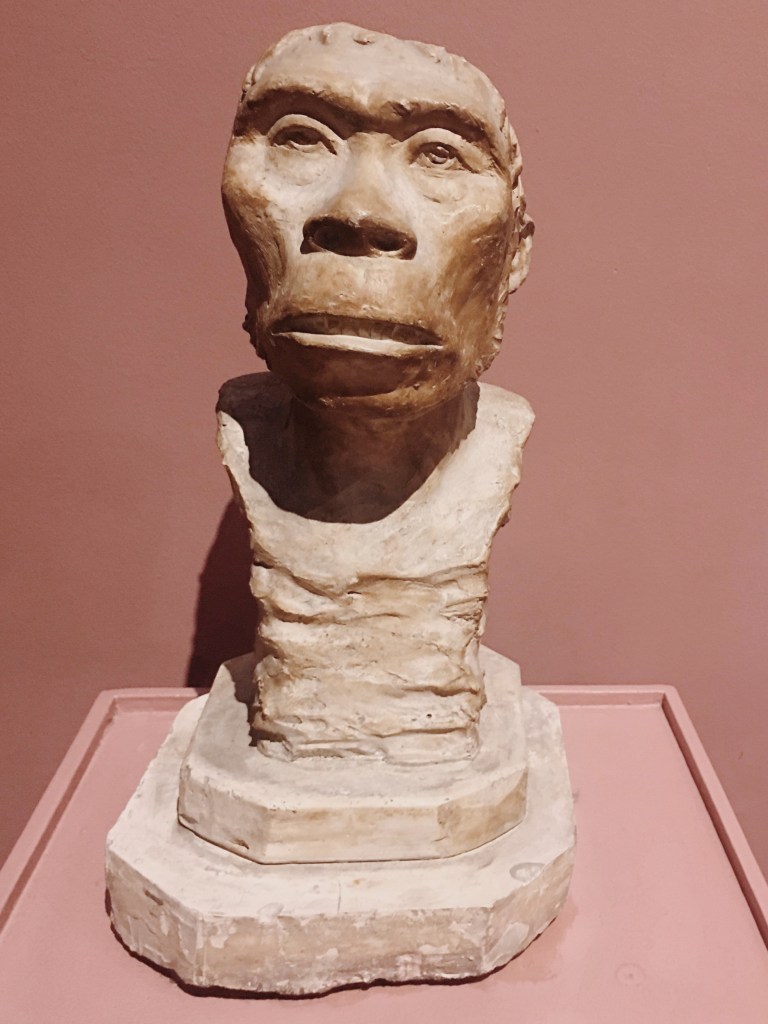
The National Museum of Anthropology houses different kinds of prehispanic artifacts like burial jars, weapons, and armory, crafts from the various ethnolinguistic groups and indigenous people, weaving looms, fabrics, native costumes, porcelain, ceramics, musical instruments, ancient writing script, and accessories.
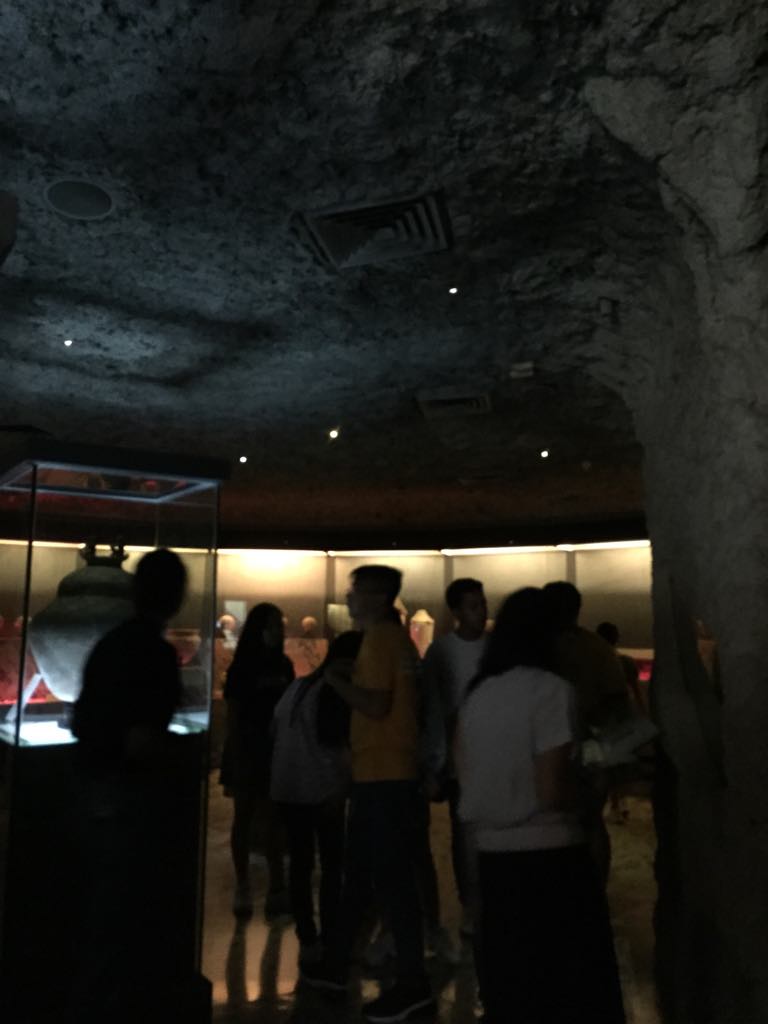
Being it on a weekday, not much people are around so we did enjoy the museum since it is not crowded. Again, we were not able to look around the whole place. But the area we enjoyed the most was the floor full of archeological treasures. It is where large jars found in Saranggani Province was displayed together with the remains of ancient people. Yes we saw a lot of skulls. The ambiance of the room appealed to the theme of what is exhibited. It gave us a creepy vibe but we enjoyed it still.
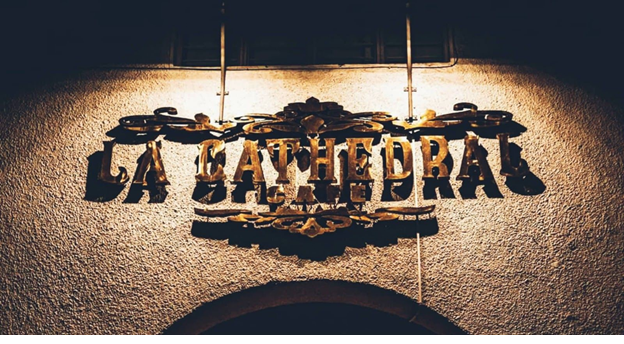
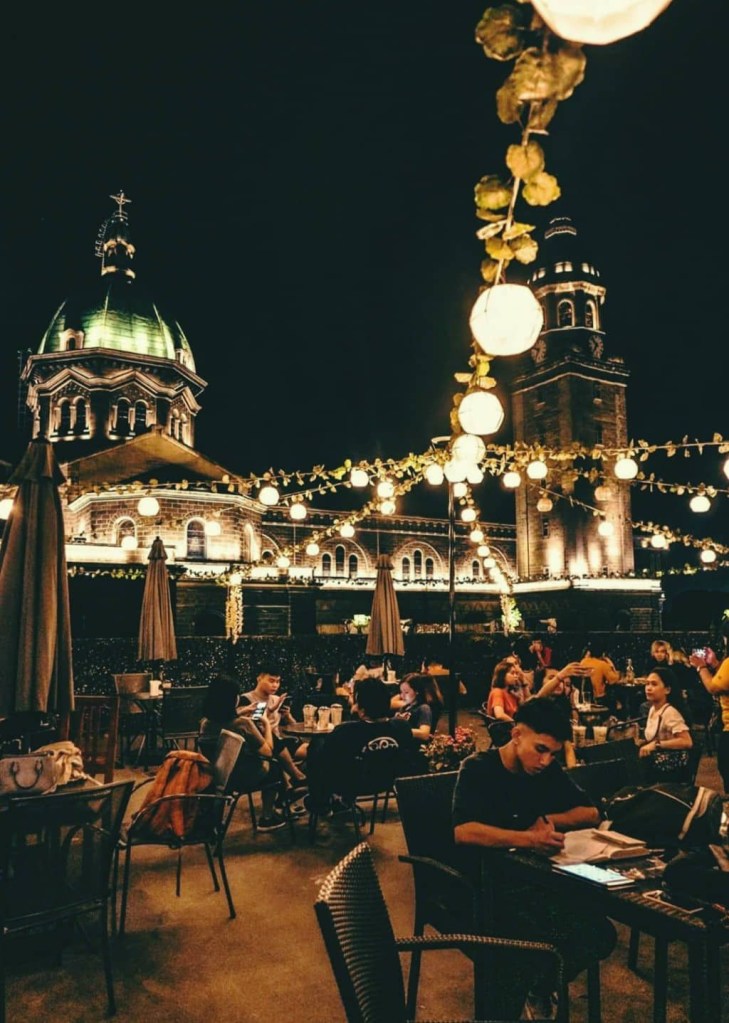
Before the day is over, let’s go back to where it all began; inside the walls. After a long day, we decided to have some well deserved meal. We head back to Intramuros and went straight to La Cathedral Cafe.
Good Food, Good Company
Definitely looks the same in the photos!! The ambiance is so nice. They serve meals like pasta, coffee, pastries, sandwiches, and comfort Filipino foods. The food is tasty but kinda pricey for on-a-budget students like us. Because of the place, it is worth trying though. We felt as if we’re in Europe. Definitely a good way to end the day!







References:
https://twomonkeystravelgroup.com/instramuros-binondo-travel-guide/
https://www.nationalmuseum.gov.ph/nationalmuseumbeta/Collections/Fine%20Art.html
https://cnnphilippines.com/life/culture/2018/05/22/national-museum-of-natural-history.html
https://www.google.com/amp/s/www.thepoortraveler.net/2018/11/national-museum-of-natural-history-manila-entrance-fee-open-hours/amp/






















 ARTCCOUNTANTS